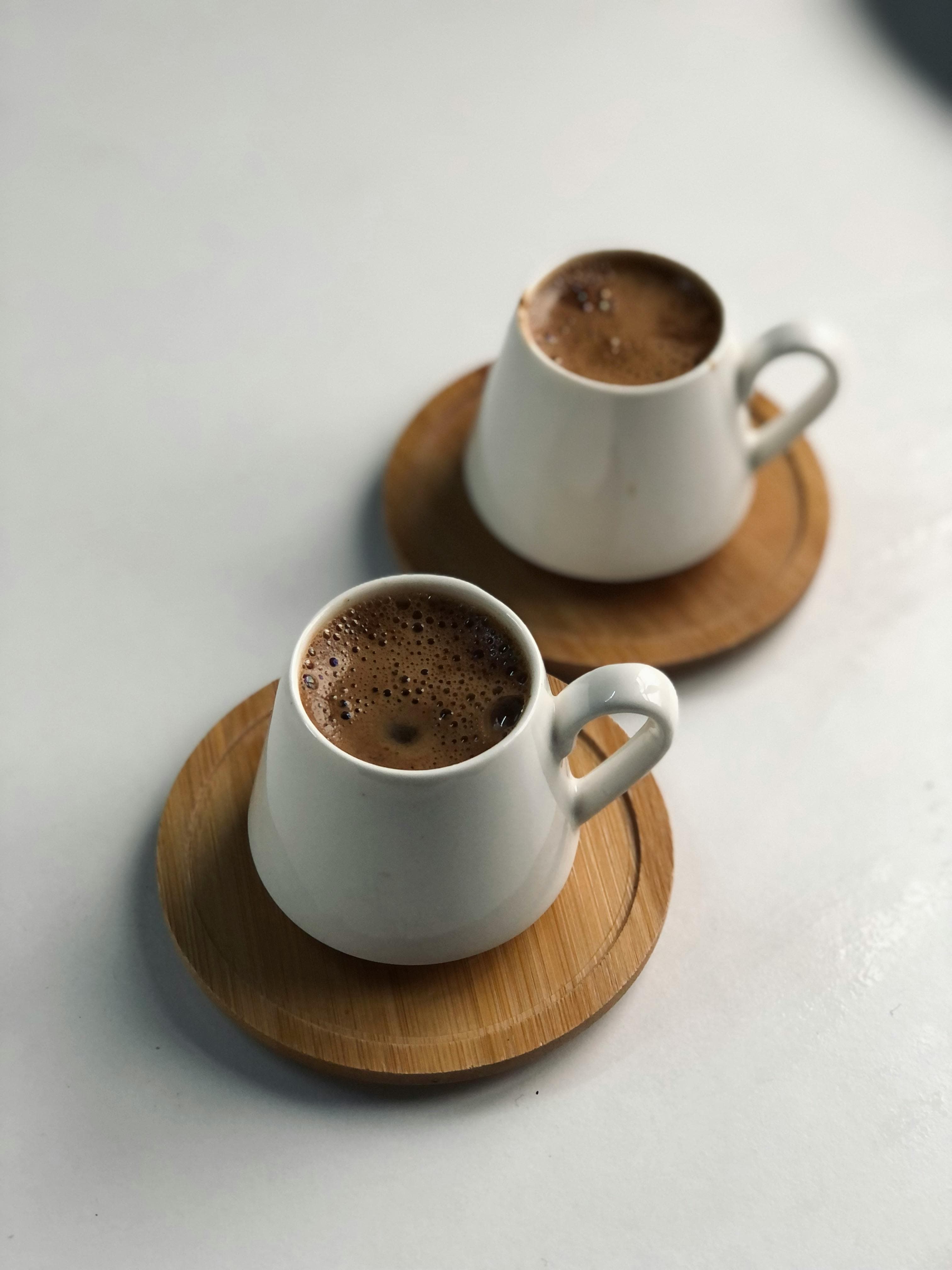
Yemeni Coffee
•Score: 10/10
Is it better?
There’s coffee, and then there’s Yemeni coffee—the kind of brew that feels like drinking a piece of history with every aromatic swallow. Yemen, tucked into the southwestern edge of the Arabian Peninsula, isn’t just a coffee-loving nation; it’s one of the earliest places where coffee was cultivated commercially and traded across the world. In fact, the name “mocha”—yes, like your favorite chocolate-espresso hybrid—comes from the port of Mocha (Al-Mukhā), a major export hub in Yemen centuries ago.
Unlike today’s industrial coffee giants, Yemeni coffee is grown on steep terraces in high-altitude regions like Haraz, Bani Mattar, and the areas around Sana’a—places that make every harvest a labor of love. These beans are often sun-dried with the fruit still attached, giving them a rich, winey, fruity, and spicy complexity few coffees can match.  This isn’t Starbucks-on-every-corner style coffee—it’s the kind of brew that invites you to slow down, savor, and twirl a story around every sip.
But here’s the exciting part: Yemeni coffee isn’t just an ancient curiosity anymore. Over the past few years, Yemeni-style coffee houses have been popping up across the United States with a fresh energy that’s as warm as their brew. Anchored first in places with rich Arab and Muslim communities like Dearborn, Michigan, this movement has spread from coast to coast. Chains and independent cafés like traditional Qahwah House locations are opening new shops from Stamford, Connecticut, to Oakland and Pittsburgh—bringing culturally rooted coffee, spices like cardamom and ginger, and a vibe that feels more like a living room than a line at the counter.
What makes these spots so special isn’t just the espresso; it’s the culture of connection. Yemeni coffee houses often serve as late-night “third places” where friends meet, students study, and strangers become pals over shared pots of coffee. They offer an alternative to the bar scene and the grab-and-go model of big coffee chains—think cozy hubs for community, conversation, and cultural exchange.
So if you’re strolling into a Yemeni coffee shop right now, expect more than just a cup—you’re stepping into a tradition that helped shape global coffee culture, brewed with stories, community, and centuries of craftsmanship. In 2026, that’s a trend worth savoring one rich, spice-kissed sip at a time. 🌍☕
Final Thoughts
Yemeni coffee isn’t just a beverage comeback story. It’s a reminder that some of the best “new” experiences are the ones that have been brewing for centuries. And honestly? That makes every sip taste a little deeper. ☕